
Fish and chips is a national institution in England, with a rich history and cultural significance. It is a popular and beloved dish, enjoyed by people of all ages and backgrounds.
The origins of fish and chips can be traced back to the 19th century. This is when the combination of fried fish and potatoes became a popular meal among the working classes in England. Over time, the dish evolved and became a staple of English cuisine, with countless variations and interpretations.
In this guide, we will explore the history and evolution of English fish and chips, as well as the classic version of the dish and regional variations. We will also discuss the sustainability of the industry and the future of English fish and chips.
Unique Culinary Experiences for a Fish & Chips Tour
Before we get into the blog below, remember that if you’d like to start planning a culinary-themed private tour of England—sampling the country’s most iconic dish at historic, gourmet, and coastal locations, then get in touch with our expert planners to receive a complimentary itinerary for a Private Fish & Chips Tour of England.
Here are just a few experiences you can build into a personalised itinerary:
🐟 Historic East End Fish & Chips Tour
- Head to the East End of London where British fish & chips first took off. Learn how it became the national dish of England, visit classic shops and learn how immigrant communities shaped the dish.
🍟 Gourmet Chippy Experience
- Try elevated modern versions of the classic, with extras such as craft batter, triple-cooked chips, and sustainably sourced fish at award-winning London eateries.
🌊 Seaside Fish & Chips Adventure
- Head to coastal towns like Whitstable, Brighton, or Southend for the freshest catch straight from the harbour and that essential “chips on the pier” experience.
🍺 Food Pairing & Pub Experience
- Enjoy a traditional pub setting with beer or cider pairings, plus local sides such as mushy peas, curry sauce, pickled onions, and more.
The classic English fish and chips
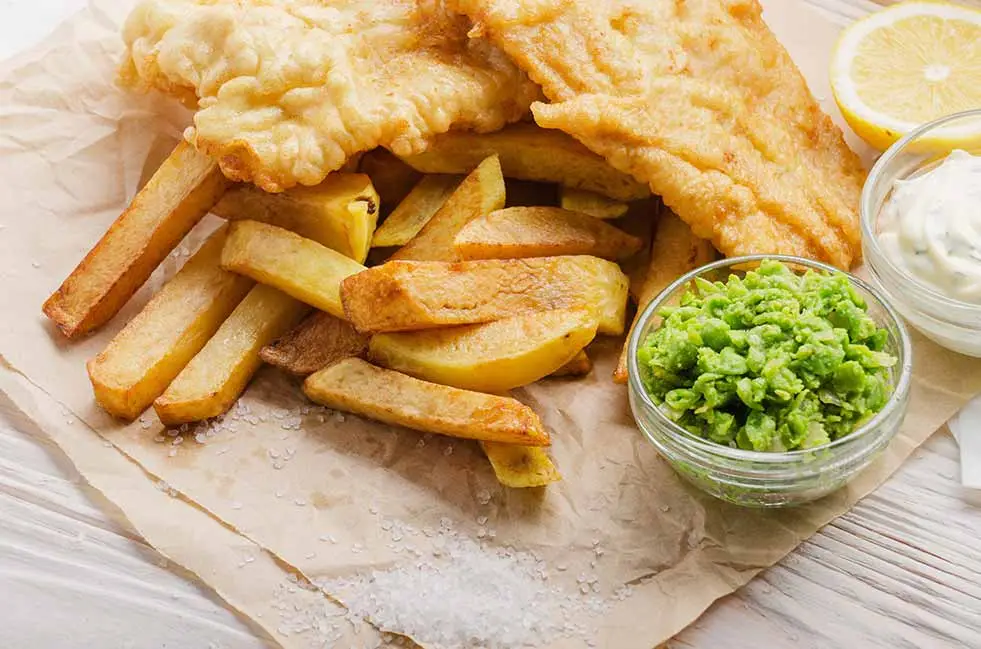
The classic English fish and chips is a simple yet satisfying dish, consisting of battered and fried fish served with chips (thick-cut fried potatoes). The ingredients and preparation of the dish are crucial to its success, and the best fish and chips are made with fresh, high-quality ingredients.
The fish used in classic fish and chips is typically cod or haddock, both of which are common in the waters around England. It’s coated in a batter made from flour, eggs, and beer or soda water, which gives it a crispy and flavorful crust. The chips are made from large potatoes, cut into thick slices and fried until crispy and golden.
Traditional condiments for fish and chips include salt, vinegar, and tartar sauce. Some people also like to add ketchup, mustard, or other sauces to their chips. Common side dishes include mushy peas, pickled onions, and bread and butter.
In order to achieve the perfect fish and chips, it is important to use fresh, high-quality ingredients. The fish should be sustainably sourced and in good condition, and the chips should be made from fresh potatoes and fried in high-quality oil. These factors all contribute to the taste and texture of the final dish.
Regional variations of fish and chips
England is a country with a rich culinary heritage, and each region has its own unique twists on the classic dish of fish and chips. These regional variations reflect the local ingredients, traditions, and tastes of each area.
For example, in the North of England, battered sausages are a popular variation on fish and chips. These sausages, known as “bangers,” are coated in the same batter as the fish and fried until crispy. In the Southwest, seafood platters are a popular variation, with a variety of fried fish, shellfish, and other seafood served with chips.
In coastal areas, locally caught fish such as plaice, skate, and mackerel are often used in fish and chips, giving the dish a fresh, local flavor. However, in cities, restaurants and takeaways often offer more exotic variations, such as spicy curries and seafood platters with exotic ingredients.
These regional variations show how the simple dish of fish and chips has evolved and adapted to local tastes and traditions. They also provide a delicious opportunity to explore the diversity of English cuisine.
For those of you with a desire to get a taste of these local delicacies and variations during a trip to England, check out our Custom Tours page and request an itinerary from our experts.
The sustainability of the English fish and chips industry
The commercial fishing and chip production industries are important to the economy and cultural identity of England. However, like many industries, they can have a significant environmental impact if not managed sustainably.
The fishing industry in England has faced challenges such as overfishing and unsustainable fishing practices. Many fishermen and fish processors have implemented sustainable practices, such as using selective fishing gear and supporting sustainable fish stocks.
The chip production industry also has an environmental impact, primarily through the use of vegetable oil for frying. Many chip producers are working to reduce waste and use sustainable sources of oil, such as recycled cooking oil or sustainably sourced vegetable oils.
Consumers can support sustainable fish and chips by choosing restaurants and takeaways that use sustainable ingredients and practices. Look for labels such as the Marine Stewardship Council’s “blue tick” certification, which indicates sustainable seafood.
By supporting sustainable practices, the English fish and chips industry can continue to thrive and provide delicious, high-quality food while minimizing its environmental impact.
The future of English fish and chips
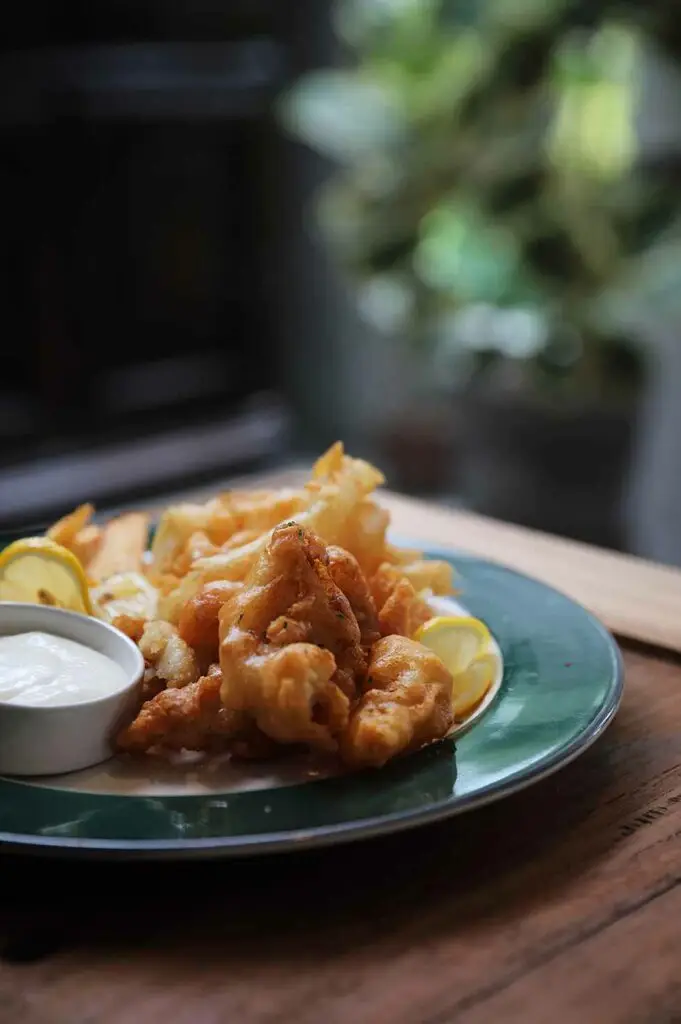
The English fish and chips industry is evolving to meet changing consumer preferences and dietary trends. Many restaurants and takeaways are experimenting with new flavors and ingredients, as well as offering vegan and vegetarian options.
For example, some restaurants are offering fish and chips with Asian-inspired sauces, such as sweet and sour or hoisin. Others are experimenting with different types of fish, such as sustainable alternatives to cod and haddock, or more exotic species.
Vegan and vegetarian options are also becoming more common. Dishes such as battered tofu and fried vegetables being offered as alternatives to fish and chips. These options provide a tasty and satisfying alternative for people with dietary restrictions or preferences.
The future of English fish and chips is exciting and unpredictable. The industry continues to innovate and adapt to changing tastes and trends. There will always be a place for the classic version of the dish, but there is also room for new interpretations and flavors.
Sample 3 Day Private Fish & Chips Tour Itinerary
We normally design a new culinary itinerary from scratch. However, we have designed a rough template to show you how your private fish and chips themed tour could look. You’ll have a private driver-guide and travel in a luxurious Mercedes V-class vehicle throughout your tour.
Day 1 – London’s Original Chippies & Food Culture
- Begin in the East End, the historic heart of Britain’s fish & chip tradition. Explore early fry shops, Jewish and Portuguese influences, and visit a classic Victorian chippy for dinner.
Day 2 – Seaside Heritage: Whitstable or Brighton
- Enjoy the scenic drive to England’s coast for a harbour walk, fresh seafood tasting, and classic pier-side fish & chips. Optional oyster tasting, brewery visit, or beach stroll.
Day 3 – British Comfort Food Finale
- A relaxed final day blending culinary history and pub culture. You’ll visit historic London pubs, sample regional sides, and enjoy one last plate from a top-rated chippy.
Get Your Own Guide To English Fish & Chips
English fish and chips is a national institution, with a rich history and cultural significance. From the classic version of the dish to regional variations and modern interpretations, there is something for everyone to enjoy.
By supporting sustainable practices, the industry can continue to thrive and evolve in the future. The future of English fish and chips is exciting and unpredictable. New flavors and ingredients are still being explored all the time. Whether you’re a local or a visitor, exploring the world of English fish and chips is a delicious and rewarding experience.
Start planning your trip to England with the help of our expert team. Simply fill in the form below with your details, and our tour planners will begin on working on your personalized itinerary for a private culinary tour of England.